
Northwestern School of Communication

radio/tv/film

The Department of Radio/Television/Film explores the history, theory, and production of media—from cinema to television to sound design to interactive media and emerging technologies.

We value originality, critical analysis, creativity, and vision in both scholarly research and creative work. Our programs, courses, and research opportunities focus on the history of film, television, sound, and interactive media as well as the critical analysis of media texts, technologies, and cultures.

Our faculty explore the social and cultural impact of media—and use media to convey their own messages to the world. All are dedicated to integrating the theory and the practice of media, participating in interdisciplinary dialogue, and fostering a spirit of creativity and collaboration. This prepares students who are eager to pursue careers in the media industries as writers, directors, producers, and managers who inspire, persuade, and educate their audiences.

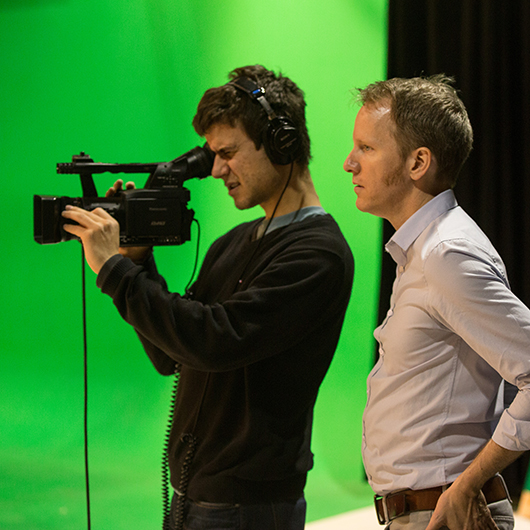
Instructor observes and directs student peering through digital video camera in front of green screen
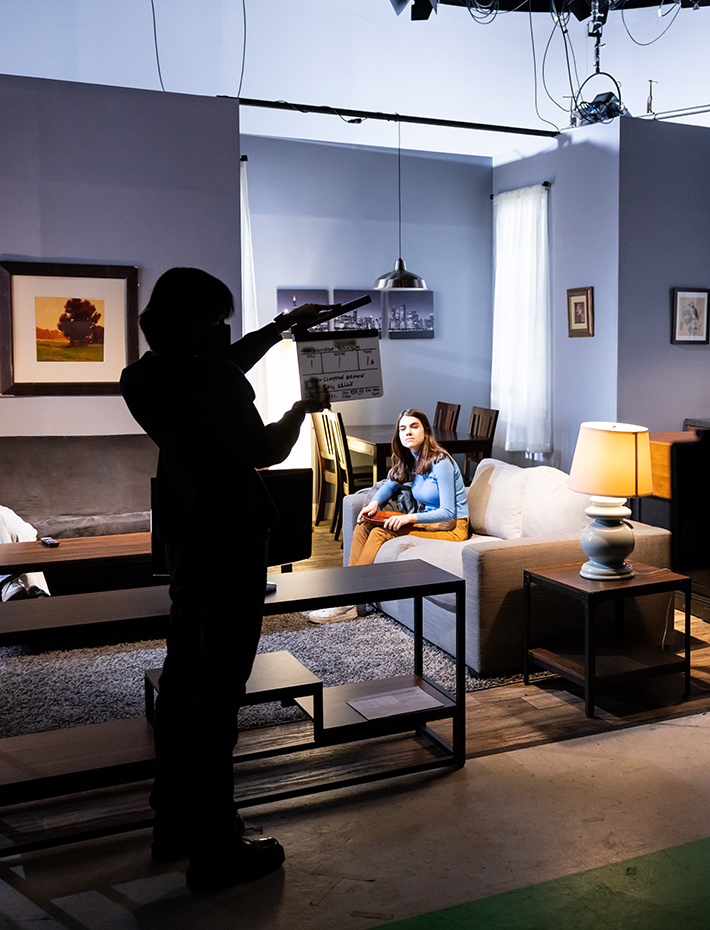
Dramatically silhouetted student holds up clapboard in front of bluish TV stage set of a living room with female actor sitting on coach

What can you do with a career in Radio/Television/Film?

Our collaborative, practice-based learning style yields leaders, creators, and collaborators who are reimagining the media arts.

They go into a variety careers in creative production — screenwriting, directing, producing, animation, artist management and more — or choose to deepen their study in graduate work in fields that include film studies, business and law.

More on R/TV/F career paths

Faculty

Our faculty, which includes practicing filmmakers, screenwriters, media artists, and leading cultural theorists, challenge students to hone their original vision and make them conversant with the important ideas and debates of our times.

Coursework in Radio/Television/Film

Our majors become fluent in both media creation and analysis, receiving hands-on training in writing, editing and producing innovative media—films, computer animation, soundtracks, video installations and more. Students examine media cultures around the world and throughout history, considering the social, economic and political dimensions of cinema, television, audio arts and interactive media.